Plastic surgery practices operate differently than most medical offices. The expectations are higher, the procedures are more specialized, and the patient experience plays a much larger role in the overall success of the business. It is not just about clinical outcomes—it is about communication, coordination, and consistency across every step of the process.
As patient demand continues to increase, many plastic surgeons find themselves spending more time managing the operation than focusing on patients. Scheduling, follow-ups, documentation, and client communication all start to compete with clinical responsibilities. That is usually the point where the question comes up: does it make sense to bring in additional support?
Why Plastic Surgery Practices Are Different
In most fields of medicine, patients arrive with a problem and expect it to be solved. In plastic surgery, patients are also making a personal, often elective decision, and the way they are treated before and after a procedure carries as much weight as the procedure itself. A single delayed response or a disorganized consultation can shape whether a prospective patient moves forward or looks elsewhere.
That raises the bar for everything happening around the clinical work. Communication has to be prompt and polished, coordination has to be seamless, and the experience has to feel consistent from the first inquiry to the final follow-up. Meeting that standard is difficult when the surgeon and a small in-house team are absorbing all of it at once.
What a Plastic Surgery Medical Assistant Does
A plastic surgery medical assistant is one of the most common ways practices address that pressure. Traditionally, this role supports both clinical and administrative functions inside the office. Depending on the setup, assistants may help prepare patients for procedures, organize surgical materials, coordinate schedules, and manage communication with patients before and after treatment.
The role itself is not new. What is changing is how practices are choosing to implement it, particularly the growing recognition that not every responsibility tied to the role needs to happen inside the office.
The Traditional In-House Model and Its Limits
In a traditional model, assistants are hired in-house and trained to handle a mix of responsibilities. They may assist during procedures, manage inventory, coordinate patient care, and support front desk operations. This approach works well when physical presence is required, especially for hands-on clinical tasks.
However, a large portion of what slows plastic surgery practices down happens outside the treatment room. Patient inquiries, appointment coordination, follow-ups, documentation, and general administrative work all require time and attention. When these tasks are handled inconsistently, the impact shows up quickly in missed opportunities, delayed responses, and a less polished patient experience.
Separating Clinical Work From Administrative Work
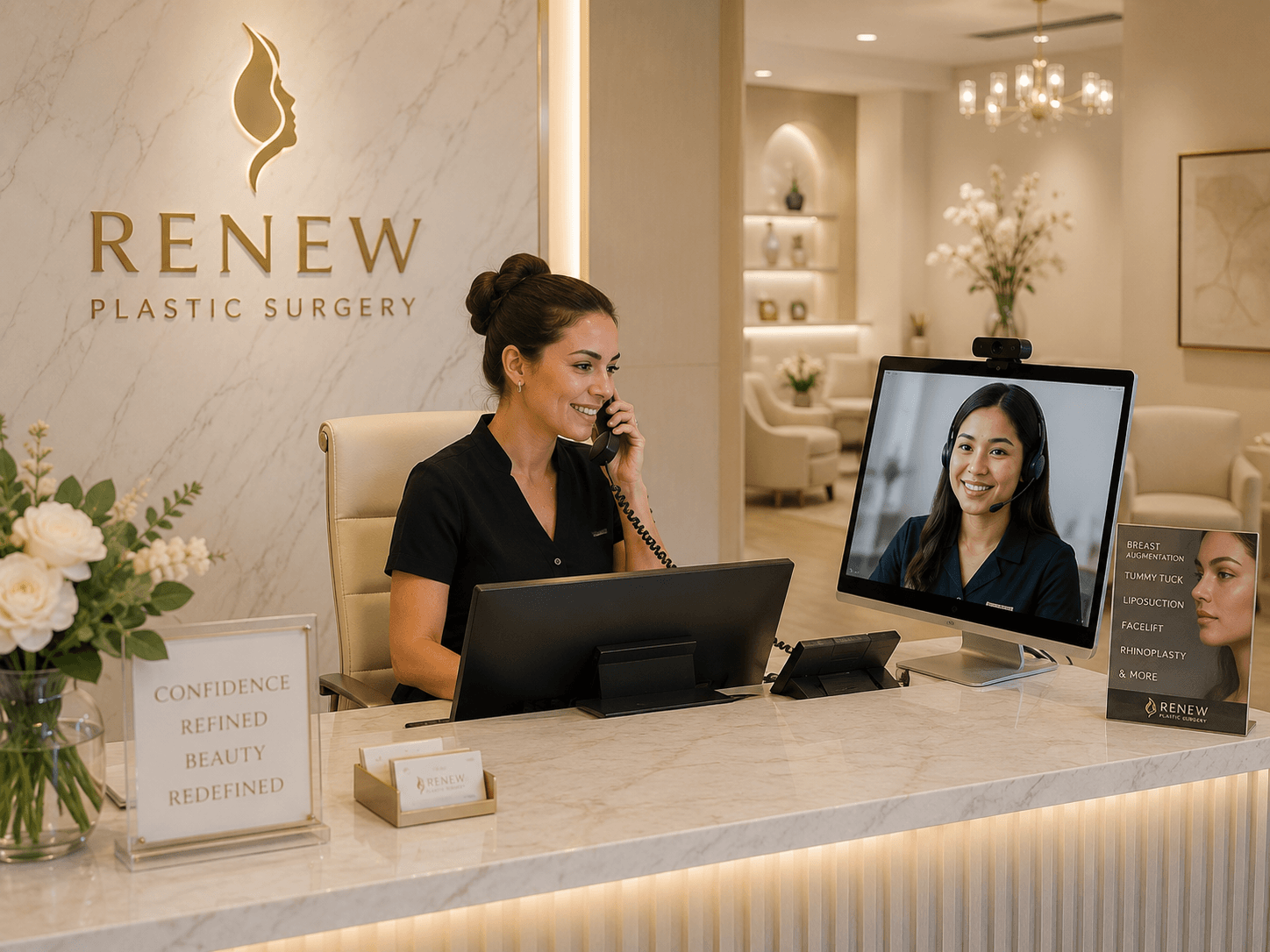
This is where many practices begin to rethink how they structure support. Instead of relying entirely on in-house staff, they start separating clinical responsibilities from administrative ones. The hands-on work remains in the office, while the operational workload is handled by remote support.
From an operational standpoint, administrative responsibilities can be handled remotely without sacrificing quality. Appointment scheduling, patient communication, documentation updates, and follow-up coordination can all be managed by someone working within your systems, even if they are not physically present. That separation lets the in-office team concentrate on the parts of the role that genuinely require them to be there.
Consistency and the Patient Experience
The benefit is not just convenience. It is consistency. When administrative work is assigned to someone whose role is clearly defined, it gets done the same way every time. Calls are answered, follow-ups are completed, and documentation is updated without relying on whoever happens to have time in the moment.
This has a direct impact on patient experience. Plastic surgery patients expect a high level of communication and attention, and delayed responses or disorganized coordination can affect how they perceive the practice. When communication is handled consistently, the experience improves, and so does retention, which matters in a field where reputation and word of mouth carry so much weight.
The Cost and Flexibility Equation
Cost is another factor that drives this decision. Hiring a specialized in-house assistant, particularly in plastic surgery, can be expensive. Salaries increase with experience, and when you factor in benefits, training, and overhead, the total cost becomes significant. In some cases, highly specialized roles command compensation that rivals other clinical positions.
Remote support offers a different structure. Instead of carrying the full cost of an in-house employee, practices can allocate resources more efficiently by assigning administrative tasks to a virtual assistant, which reduces overhead while still maintaining a high level of support. It also provides flexibility. Workload in a plastic surgery practice is not always consistent, and being locked into fixed staffing during slower periods creates inefficiency. Remote support allows practices to adjust based on demand without restructuring the entire team.
When It Makes Sense to Hire One
The decision ultimately comes down to how your practice is structured. If you need support during procedures or with hands-on patient care, in-house staff will always be necessary. But if the pressure is coming from scheduling, communication, documentation, and day-to-day operations, a remote solution often makes more sense.
Many practices find the strongest model is a combination of the two: in-house staff for the clinical, hands-on work, and remote support for the administrative load that does not require a physical presence. Practices that recognize this difference tend to operate more efficiently. They reduce internal strain, improve patient experience, and create a system that can scale as the business grows.
A More Structured Way to Operate
At Staffing WELLDone, the focus is not just on providing an assistant, but on helping practices structure their support more effectively. The goal is to separate what truly needs to be done in person from what can be handled remotely, and then build a system around that. Virtual assistants are integrated into your workflows, your systems, and your communication processes so that they function as part of the operation, not as an outside service. They handle the administrative side with consistency, allowing your in-house team to stay focused on patient care.
This is where most practices see the biggest shift. It is not just about reducing workload. It is about creating a more controlled and predictable way to operate. If your practice feels like it is constantly managing tasks instead of moving forward, it may not be a staffing issue. It may be a structure issue. Staffing WELLDone can help you identify where your workload is coming from and build a support model that allows your practice to operate at a higher level without adding unnecessary overhead.